Cold is not the addition of cold but rather the absence of heat
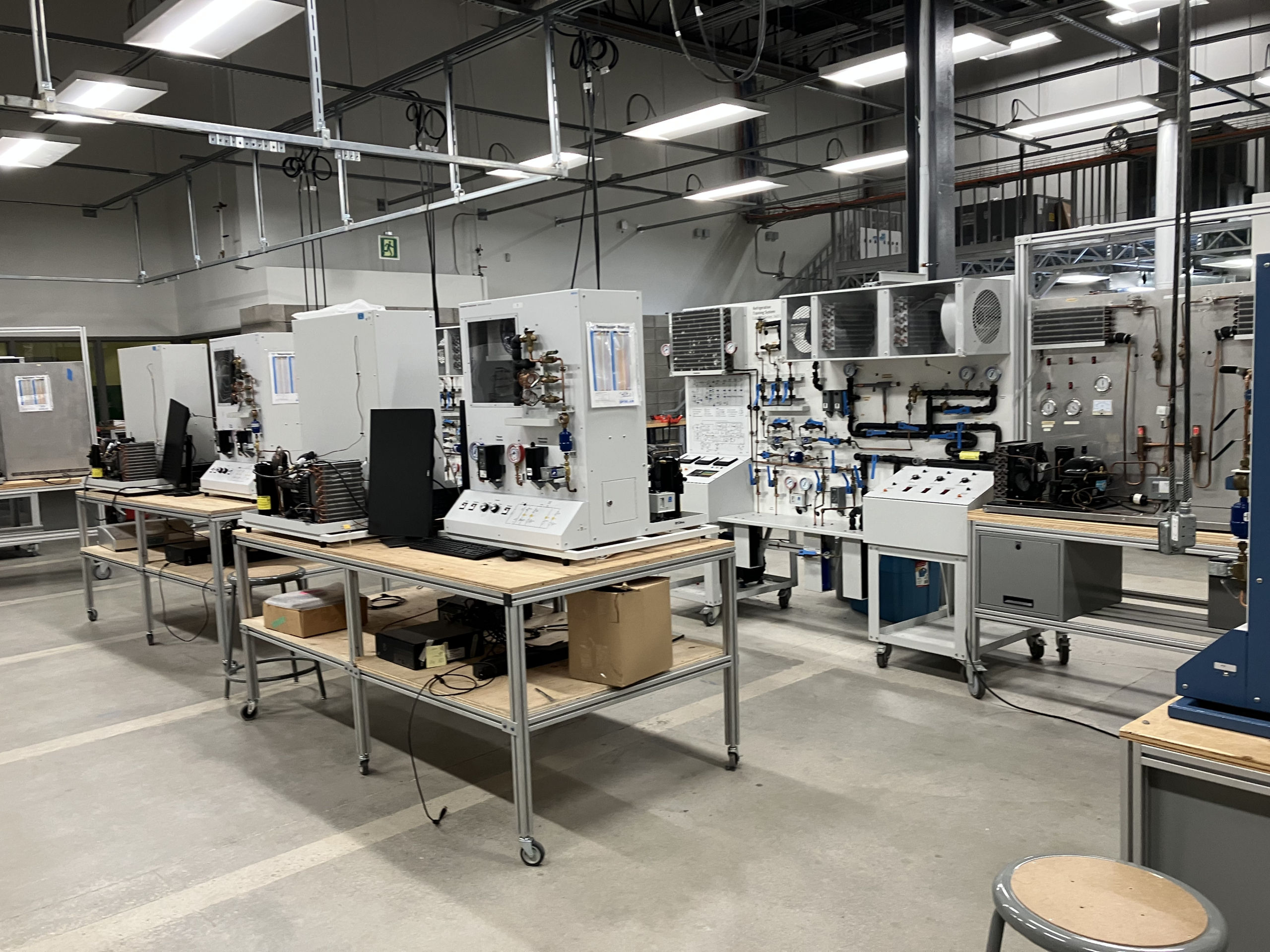
With the STAR-4 Women program at the YWCA, we had the opportunity to tour Humber College’s skilled trades classrooms and labs. Part of that tour, we got to see their expansive training labs for HVAC and refrigeration.
These spaces were quite large and filled with various equipment including refrigeration equipment, furnaces, air conditioners, and some relevant ductwork.
After seeing these labs, and experiencing some refrigeration problems myself, I decided to learn about refrigerators.
One of the things I learned is that cold is not the addition of cold, but rather the absence of heat. I think that’s pretty cool!
Refrigeration systems are pretty interesting. Here are some things I learned about refrigeration, not necessarily at Humber, but in general:
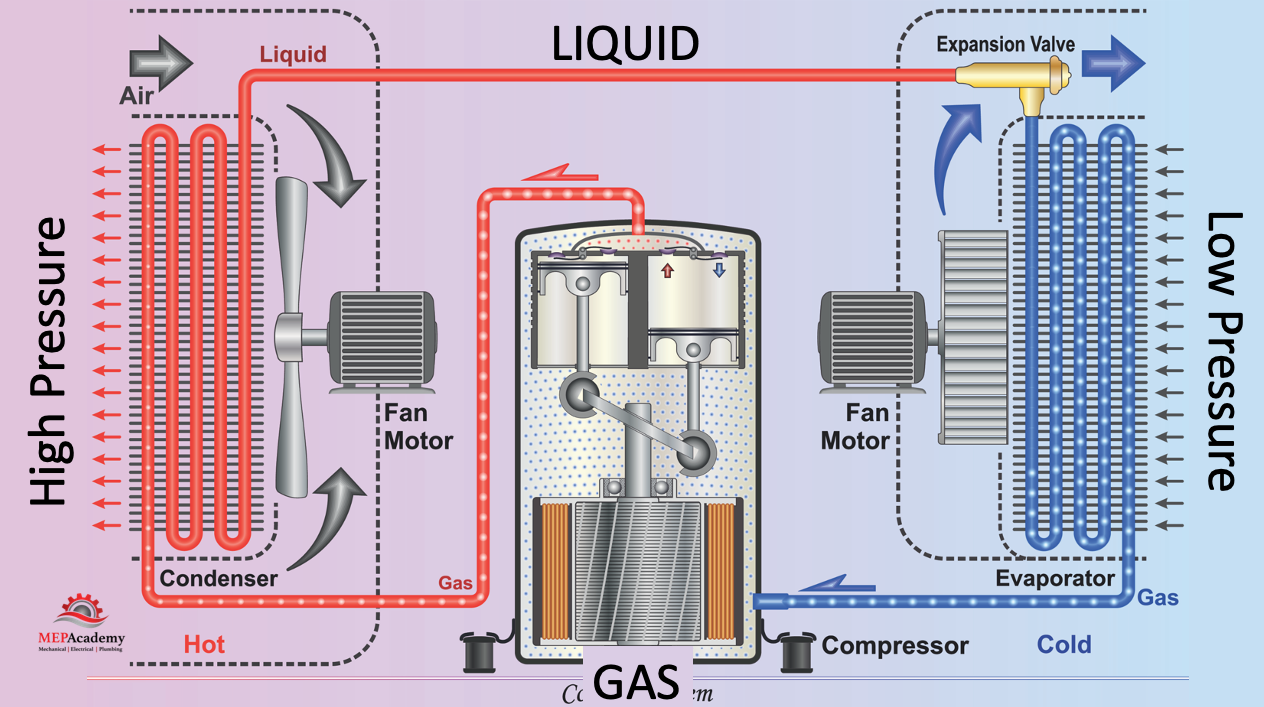
- Refrigeration and air conditioning systems are closed systems
- Part of the system has a low-pressure liquid, and the other part has a high-pressure gas
- The refrigerant circulates through all parts of this closed system, gradually cooling the contents of the refrigerator as heat is pulled out of the inside compartments
Here are the steps of refrigeration systems as I understand it:
- Collecting the heat: There’s a component called the evaporator that lives inside the fridge. Liquid refrigerant has a much lower boiling point than water, so it becomes a gas and evaporates at a much lower temperature. When a liquid evaporates into gas, it absorbs heat from the area around it. This part of the cycle pulls heat away from inside of the fridge. This part of the system is the low-pressure part of the system.
- Compressing the warm air: The compressor draws in the gas that is carrying heat from the environment and compresses it, creating a high-pressure, high-temperature gas.
- Expelling the heat: The condenser is a large grid of coils on the back of the outside of the fridge. The heat is sent to these coils, causing the heat to escape into the room. As the gas travels through the condenser, it loses heat, which eventually allows it to condense back into a liquid
- Pressure drop and travel back to the inside of the fridge: The gas under pressure that has turned into a liquid under pressure as it traveled through the condenser eventually reaches the expansion valve, which limits the pressure at which it can travel. This drop in pressure causes the temperature to drop, making it significantly colder, so that it’s ready to travel through the low-pressure parts of the system and begin collecting heat again, repeating the cycle.
Modern refrigerators have a bit more to them than that since there are other components involved that improve on this process, including fans that help circulate the air between the fridge and freezer compartments, as well as sensors to know when it’s time to turn on the defrost heater. Previous to the latter, freezers were not self-defrosting and you had to chisel the ice out periodically, but modern freezers have the feature that they are self-defrosting (provided their sensors are working).
I still have a lot to learn about refrigeration, specifically about how to diagnose and fix faulty refrigerators. More on that later (maybe).